
What are the 72 genders?
72 Gender Identities: Clear, Respectful and Inclusive Information
Welcome to 72gender.com, an educational platform dedicated to explaining 72 gender identities in a clear, respectful and accessible way. Gender is deeply personal, and for many people it does not fit neatly into only the categories of male or female. The idea of 72 genders helps illustrate the broad spectrum of gender identities people may use to understand, describe and express who they are.
On this website, you can learn about different gender identities, what they mean, how they may be experienced, and why respectful language matters. Whether you are exploring your own gender, supporting someone close to you, doing research, or simply trying to better understand gender diversity, 72gender.com offers information written in a simple and thoughtful way.
Understanding Gender Beyond Male and Female
Gender identity refers to a person’s internal sense of who they are. For some people, this matches the sex they were assigned at birth. For others, it may be different, fluid, neutral, multiple, or outside traditional categories altogether. This is why terms such as non-binary, genderfluid, agender, bigender, demigender and many others are important: they give people language to describe real experiences.
The term 72 gender identities is often used as a way to represent the wide variety of gender experiences that exist across individuals and cultures. It is not about limiting gender to one fixed number, but about showing that gender diversity is broad, meaningful and worthy of understanding.
What You Can Find on 72gender.com
Our goal is to make information about gender identity easy to explore. Each gender identity is explained in plain language, with attention to meaning, context and respectful use. We aim to answer common questions such as what a gender identity means, how it differs from related terms, and how to speak about it with care.
- Clear definitions: simple explanations of gender identity terms.
- Respectful language: guidance on using inclusive and considerate wording.
- Educational content: helpful information for students, parents, teachers, allies and anyone who wants to learn.
- Inclusive perspective: recognition that every person’s experience of gender can be unique.
- Easy-to-read articles: content designed to be understandable without needing expert knowledge.
Why Gender Diversity Matters
Understanding gender diversity helps create a more respectful and inclusive society. When people feel seen and acknowledged, they are more likely to feel safe, valued and understood. Learning about different gender identities can reduce confusion, challenge stereotypes and support more open conversations.
Respecting someone’s self-identified gender is an important part of treating them with dignity. This includes using the name, pronouns and terms a person chooses for themselves. Even small acts of respect can make a meaningful difference in someone’s daily life.
For People Exploring Their Gender
If you are questioning or exploring your gender, you are not alone. Many people take time to find the words that feel right for them. Some may identify strongly with one gender identity, while others may experience their gender as changing, mixed, neutral or undefined. There is no single correct way to understand your gender journey.
72gender.com is here to provide information, not to label you. You can read, reflect and discover terms that may help you better understand yourself or others. The most important thing is that gender identity should be approached with patience, openness and respect.
Learning With Empathy and Respect
For allies, parents, educators and friends, learning about the 72 genders can be a meaningful step toward supporting the people around you. You do not need to know every term perfectly to be respectful. A willingness to listen, learn and use inclusive language already makes a positive difference.
At 72gender.com, we believe that education can help build empathy. By explaining gender identities in a calm, respectful and accessible way, we hope to make gender diversity easier to understand for everyone.
About 72gender.com
72gender.com exists to make information about gender identity more accessible. Our mission is to provide clear explanations of the 72 gender identities and related concepts, while encouraging respect for every individual’s lived experience.
Gender language continues to evolve, and people may use different words in different communities, cultures and personal contexts. That is why we aim to keep our content thoughtful, inclusive and easy to update as understanding grows.
Explore the 72 gender identities, learn at your own pace, and discover how respectful language can help create a more inclusive world.
All 72 genders
Information about the 72 genders

Latest blogs

What Are the 72 Genders? A Complete, Respectful Guide to Gender Identity
The question “What are the 72 genders?” is asked more often than ever. As conversations about gender diversity become more visible, many people are searching for clear, respectful, and accurate information. This guide is designed to explain the concept of the 72...
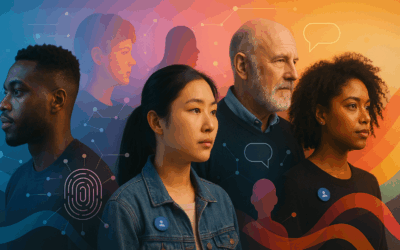
Identity trends in 2025 — How we define ourselves is evolving
by Sophie, writer at 72gender.com Identity isn’t a box I can tick anymore — and I don’t think I’m alone in that. Over the past year, I’ve heard from readers who feel their sense of self is shifting: in gender, in culture, in work, even in how they show up online. In...

Where the World Stands in 2025
By Sophie – writer at 72gender.com In 2025, conversations around gender identity are more visible than ever. From parliamentary debates to school policies, gender has become both a personal truth and a political topic. But how different that conversation looks across...

Varför 72gender.com finns – och vad listan över 72 könsidentiteter betyder
Av Sophie – skribent på 72gender.com Världen blir allt mer mångfacetterad, och vårt sätt att förstå kön och identitet har för länge sedan lämnat den traditionella indelningen i “man” och “kvinna”. Allt fler människor känner att dessa gamla kategorier inte speglar...
Por qué existe 72gender.com y qué significa la lista de los 72 géneros
Por Sophie – escritora en 72gender.com El mundo se está volviendo cada vez más diverso, y nuestra comprensión del género y la identidad ya no puede limitarse a las categorías tradicionales de "hombre" y "mujer". Muchas personas sienten que estas etiquetas antiguas no...
Warum 72gender.com existiert – und was die Liste der 72 Geschlechter bedeutet
Von Sophie – Autorin bei 72gender.com Unsere Welt wird immer vielfältiger. Auch unser Verständnis von Geschlecht und Identität lässt sich längst nicht mehr auf die traditionellen Begriffe „männlich“ und „weiblich“ reduzieren. Immer mehr Menschen spüren, dass diese...
Sophie Is Back: Fresh Weekly Stories on Gender, Identity and LGBTQ+ Life
The 72gender.com blog is back with renewed focus, fresh energy and a clear mission: to share thoughtful, inclusive and deeply human stories about gender identity, LGBTQ+ life, self-discovery and belonging.
We’re excited to introduce Sophie, our weekly writer, who brings a warm and honest voice to the blog. Through personal reflections, educational articles and community-focused stories, Sophie explores what it means to understand yourself, express your identity and find connection in a world that is still learning how to make space for everyone.
A Blog Built on More Than 90 LGBTQ+ and Gender Articles
With more than 90 previously published articles, the 72gender.com blog already has a strong foundation. Over the years, we have covered important topics such as gender identity, gender diversity, coming out, chosen family, self-acceptance, relationships, labels, pronouns and life within the LGBTQ+ community.
Now, we are building on that foundation with new perspectives, updated ideas and a stronger focus on the questions people are asking today. Gender language continues to evolve, LGBTQ+ conversations keep growing, and personal stories remain one of the most powerful ways to create understanding.
What Sophie Writes About
Each week, Sophie explores topics that are honest, relatable and meaningful. Her writing is rooted in empathy, curiosity and respect, making space for readers who are questioning, learning, healing, celebrating or simply trying to better understand themselves and others.
- Gender exploration: stories about discovering, questioning and understanding gender identity.
- Self-love and acceptance: reflections on confidence, growth and being kind to yourself.
- LGBTQ+ experiences: honest writing about community, visibility, relationships and belonging.
- Coming out and identity: thoughtful perspectives on sharing who you are, at your own pace.
- Breaking societal norms: conversations about expectations, stereotypes and living more freely.
- Chosen family and support: stories about connection, care and the people who make us feel seen.
For Readers at Every Stage of Their Journey
Whether you are just beginning to explore the gender spectrum, learning about the 72 gender identities, questioning your own identity, supporting someone you love, or have been part of the LGBTQ+ community for years, the blog is here for you.
Some readers come for clear explanations. Others come for personal stories that feel familiar. Some are looking for language, comfort, representation or a reminder that they are not alone. Whatever brings you here, our goal is to offer content that feels respectful, accessible and real.
Why These Stories Matter
Stories about gender and LGBTQ+ life can help people feel seen. They can also help others listen, learn and understand experiences different from their own. In a time when conversations about identity are often simplified or misunderstood, thoughtful writing matters more than ever.
Through Sophie’s weekly posts, 72gender.com aims to create space for reflection, learning and connection. We believe that representation is not just about being visible; it is about being understood, respected and valued.
New Blog Posts Every Week
New articles will be published every week, bringing fresh perspectives on gender identity, LGBTQ+ experiences, self-discovery, inclusive language, relationships, community and personal growth.
Come back regularly to read Sophie’s latest stories, discover new ideas and explore the many ways people experience gender, identity and belonging.
New stories. New perspectives. One shared mission: representation, understanding and connection.

At what age does a child understand gender identity?
Your child may have questions about gender identity at any stage of life:

2-3
Age 2 to 3
Children this age know the difference between boys and girls. They can see themselves as a girl or a boy regardless of their sexual anatomy. They can even accept other genders who are still normal and healthy.

4-5
Age 4 to 5
At this age, children understand their gender identity. But as we age, we become more aware of gender roles, expectations, and stereotypes. For example, we believe that certain toys and clothes are only for boys or girls. At this age, your child may begin to express their gender more confidently. B. Prefers or dislikes wearing dresses every day.

6-7
Age 6 to 7
Children become more confident in themselves and their gender identities and are less afraid to express their gender. However, children who identify themselves as different from the gender they were assigned at birth may experience social anxiety and stress when they realize they don't fit into either category.

Gender identity
Gender identity, gender expression and non-binarity
Understanding Gender Identity, Biological Sex and Gender Expression
Not everyone experiences themselves as strictly a boy or a girl, or later in life as only a man or a woman. The personal, inner sense of who you are is called gender identity. Gender identity describes how a person understands, experiences and names their own gender. For some people, this identity matches the sex they were assigned at birth. For others, it may be different, fluid, neutral, multiple or outside the traditional male and female categories.
Gender identity is deeply personal. It is not determined only by someone’s body, appearance, clothing or behavior. A person may identify as male, female, non-binary, genderfluid, agender, bigender, transgender, cisgender or another gender identity. What matters most is how someone understands themselves and the language that feels right for them.
Gender Identity and Biological Sex Are Not the Same
Biological sex refers to physical sex characteristics, such as chromosomes, hormones, reproductive organs and other anatomical traits. These characteristics are often used at birth to assign someone as male or female. However, biological sex is not always as simple or binary as many people assume.
Some people are born with variations in sex characteristics that do not fit typical definitions of male or female. This is often described as intersex. Intersex variations can involve chromosomes, hormones, reproductive anatomy or other physical traits. Being intersex is a natural part of human diversity and is separate from gender identity, although an intersex person may have any gender identity.
What Is Gender Expression?
Another important concept is gender expression. Gender expression describes how a person presents or communicates their gender to the outside world. This can include clothing, hairstyle, voice, body language, interests, name, pronouns or overall appearance.
Some people express themselves in ways that are traditionally associated with masculinity or femininity. Others may express their gender in ways that are androgynous, fluid, creative or not connected to traditional gender expectations at all. Gender expression can also change over time, depending on comfort, culture, safety, personal style or situation.
How These Concepts Work Together
Gender identity, biological sex and gender expression are connected, but they are not the same thing. A person’s gender identity is who they know themselves to be. Biological sex relates to physical characteristics. Gender expression is how someone presents themselves outwardly.
- Gender identity: a person’s inner sense of their own gender.
- Biological sex: physical sex characteristics such as chromosomes, hormones and anatomy.
- Gender expression: how someone shows or communicates gender through appearance, behavior or style.
Understanding the difference between these terms helps make conversations about gender more respectful and accurate. It also helps people recognize that human experiences of gender are diverse, personal and meaningful.
Respecting Each Person’s Gender
Because gender is personal, it is important to respect the words people use for themselves. This may include their name, pronouns and gender identity terms. You do not need to know everything about someone’s body or history to treat them with dignity. Listening, asking respectfully when appropriate and using inclusive language can make a real difference.
By learning about gender identity, biological sex, intersex variations and gender expression, we can better understand the wide diversity of how people experience, express and live their gender.
72 genders summarized in one list
72 Gender list
All genders are summarized in one list by 72gender.com. Read a description of each gender here and perhaps there is some form of recognition.
72 genders summarized in one chart
72 Gender chart
All genders are summarized in one graph by 72gender.com. Read here which genders are in the chart and view their symbols.
Meaning
Psychological gender
Gender represents aspects of gender behavior and identity that are distinct from physical and biological aspects.

Expression
Gender expression refers to how a person outwardly expresses their gender in everyday life. This can include the roles someone takes on, the clothes they choose to wear, their body language, voice, and the way they interact with others.
Gender expression is how the outside world perceives someone’s gender. It is visible and can change over time or depending on the situation. Some people express their gender in ways that align with traditional expectations of masculinity or femininity, while others express themselves in more diverse or nonconforming ways.
It is important to understand that gender expression is different from gender identity. Gender identity is a person’s internal sense of who they are, while gender expression is how that identity is communicated to the world. Someone’s gender expression does not necessarily indicate their gender identity, biological sex, or sexual orientation.
Together, gender identity and gender expression reflect the wide range of ways people experience and express their gender.

Attraction
Attraction refers to the romantic and/or sexual feelings a person may experience toward others. This is often described as sexual orientation and/or romantic orientation, which together explain who someone feels emotionally or physically drawn to.
Traditionally, distinctions are made between heterosexual (straight), gay, lesbian, and bisexual orientations. However, sexual and romantic attraction exist on a broad spectrum. Many people identify with orientations such as pansexuality, asexuality, demisexuality, and others, which reflect the diversity of human attraction.
Attraction is personal and can differ from person to person. It is also important to note that sexual orientation is independent of gender identity and gender expression. Who someone is attracted to does not define their gender, just as gender does not determine attraction.
Understanding attraction helps create space for visibility, respect, and acceptance of the many ways people experience connection and relationships.

Identity
Gender is a social and cultural concept that refers to how societies interpret and define femininity and masculinity. It encompasses the social roles, expectations, behaviors, and norms that are commonly associated with different genders.
These interpretations are not fixed or universal. What is considered masculine or feminine can vary greatly across cultures, communities, and historical periods. Gender is therefore shaped by social context and changes over time.
Because gender is socially constructed, individuals may experience and express their gender in ways that differ from traditional or dominant norms. This diversity highlights that gender is not limited to a single definition but exists along a broad and evolving spectrum of identities.
Understanding gender as a social construct helps create space for self-identification, personal expression, and respect for the many ways people experience and live their gender.

Discover your gender
Identity, expression, attraction and sex
Gender Is More Than Either/Or
Many people grow up hearing that gender is simple: boy or girl, man or woman, masculine or feminine. But for many individuals, gender is much more complex, personal and layered than a strict either/or framework. Gender is not always binary. For some people, it can be an and/and experience: a combination of identities, feelings, expressions and ways of being that may shift, grow or change over time.
Understanding gender in this broader way creates room for people whose experiences do not fit neatly into traditional categories. Someone may feel connected to more than one gender, move between different gender experiences, feel partly connected to a gender, or feel outside gender altogether. These experiences are valid and are part of the wider spectrum of gender identity and gender diversity.
Exploring Gender Can Bring Questions
Exploring your gender can raise questions, doubts, curiosity and uncertainty. You may wonder which words fit, whether your feelings are “real enough,” or whether your understanding of yourself might change later. These questions are common. Gender exploration is not always a straight path, and it does not need to lead to one final label immediately.
Some people find a gender identity term that feels right very quickly. Others need time to read, reflect, try different language, talk with trusted people or simply sit with their feelings. Both experiences are normal. There is no deadline for understanding your gender, and there is no single correct way to describe who you are.
Why People Hesitate to Talk About Gender
Many people feel nervous when talking about gender, sexuality or LGBTQ+ topics. This can happen in everyday conversations, classrooms, workplaces, healthcare settings or even anonymous surveys. People may worry about saying the wrong thing, using outdated terminology, asking a question in the wrong way or unintentionally offending someone.
These concerns are understandable. Language around gender continues to evolve, and not everyone learns the same terms at the same time. What matters most is the willingness to listen, learn, correct mistakes and approach the conversation with respect. You do not need to be perfect to be supportive.
Creating Space for Curiosity and Respect
Respectful dialogue starts with curiosity, patience and openness. Asking thoughtful questions, learning inclusive language and making room for different experiences can help build understanding. This is true whether you are exploring your own gender or trying to better understand the experiences of someone else.
At the same time, it is important to remember that no one is required to explain their identity, body or personal history. Good conversations about gender are based on respect, consent and care. Listening is often just as important as asking questions.
There Is No One Right Way to Experience Gender
Gender can be stable, fluid, simple, complex, deeply felt, quietly present or difficult to define. Some people identify strongly with one gender. Others experience gender as changing over time. Some use terms such as non-binary, genderfluid, agender, bigender, demigender, transgender or another identity. Some people prefer not to use a label at all.
All of these experiences can be meaningful. What matters is that people have the freedom to understand and express their gender in a way that feels honest and safe for them.
Gender Exploration Is a Valid Journey
Exploring gender can be an important part of self-discovery. It can help people better understand their feelings, their expression, their relationships and the language that brings them comfort. It can also help others become more empathetic and aware of the diversity of human experience.
There is no need to rush the process. Learning about gender, asking questions and allowing space for change can be valuable steps toward greater self-understanding and connection with others.
Gender is not only about fitting into a category. It is also about understanding, expression, respect and the freedom to be seen as yourself.
Have You Ever Questioned Your Gender Identity?
As awareness of gender diversity continues to grow, more people feel able to explore their gender identity with openness and support. Questioning your gender can sometimes feel confusing, especially when old expectations, social norms or cissexism are challenged. But questioning is not a problem — it can be a natural and meaningful part of self-discovery.
Gender exploration can happen at any age and in many different ways. There is no fixed timeline, no pressure to choose a label, and no single “right” way to feel. Your understanding of gender may stay the same, shift over time or become clearer through reflection. Taking space to explore can lead to deeper self-knowledge, greater confidence and a stronger connection to who you are.