
Gender dysphoria is a condition in which an individual experiences a deep discomfort or distress because their gender identity does not align with the sex they were assigned at birth. This can be an incredibly difficult and isolating experience, and one that is not often well understood by those who have not experienced it themselves. As someone who has struggled with gender dysphoria, I know firsthand the pain and confusion it can cause.
For many years, I felt like there was something “wrong” with me. I didn’t feel comfortable in my own body, and I couldn’t shake the feeling that something was missing. It wasn’t until later in life that I learned about gender dysphoria and realized that what I was feeling had a name. Finally, I had a framework to understand my experiences and a language to describe them.
But even with this understanding, dealing with gender dysphoria has been a constant struggle. There have been times when the distress was so intense that I could barely function. I felt like I was living in a body that didn’t belong to me, and it was an incredibly painful and lonely experience.
One of the most challenging aspects of gender dysphoria is the way it can affect your relationships with others. It can be hard to explain to family and friends why you feel the way you do, and many people may not be able to understand or accept your experiences. Even in the LGBTQ+ community, there can be a lack of understanding or acceptance around gender identity, which can leave those struggling with gender dysphoria feeling even more isolated.
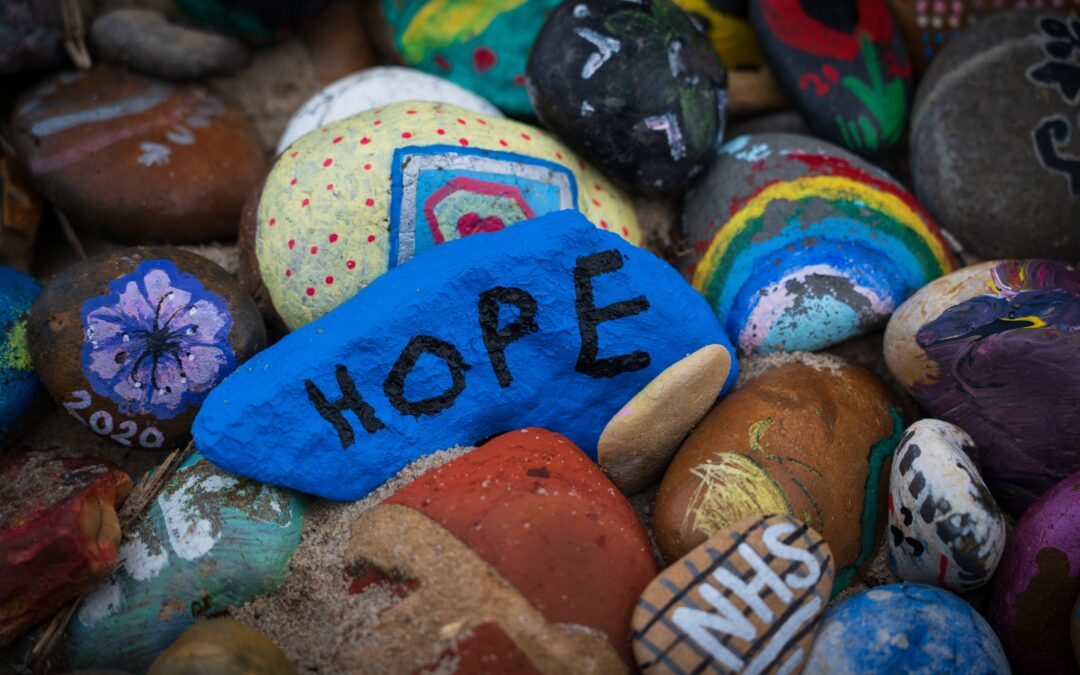
Despite these challenges, there is hope for those struggling with gender dysphoria. There are a variety of treatments and therapies available that can help alleviate the distress and discomfort associated with this condition. For some individuals, hormone therapy or gender-affirming surgeries can be incredibly helpful in aligning their physical body with their gender identity. For others, therapy or support groups can be a lifeline, offering a safe space to talk about their experiences and connect with others who have gone through similar struggles.
It’s important to remember that there is no “right” or “wrong” way to deal with gender dysphoria. Every individual’s experience is unique, and what works for one person may not work for another. It’s important to explore different treatment options and find what feels right for you.
Above all, it’s important to remember that you are not alone. There are millions of people around the world who have experienced gender dysphoria and who have found ways to cope and thrive. By reaching out for help, connecting with supportive communities, and advocating for greater understanding and acceptance, we can all work together to create a world where everyone can feel comfortable and confident in their own skin, no matter their gender identity.

