
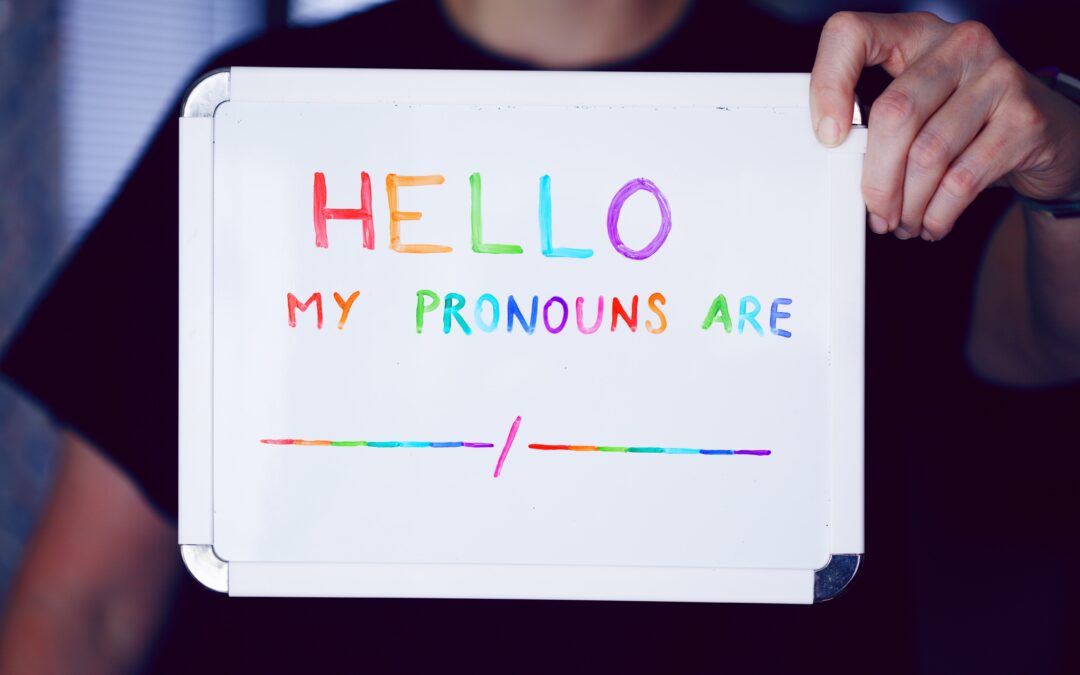
In recent years, there has been a growing awareness of the importance of using gender-inclusive language. One way to do this is by using the correct gender pronouns for individuals, which can have a significant impact on their sense of self and feelings of acceptance.
Gender pronouns are the words we use to refer to someone’s gender in conversation. While most people use either “he” or “she” pronouns, there are a variety of other gender pronouns that people may use to describe themselves, such as “they,” “ze,” “hir,” “xe,” and more. It’s important to understand that gender pronouns are not just about being politically correct – they are a fundamental aspect of respecting someone’s gender identity.
If you are unsure what pronouns someone uses, don’t be afraid to ask them. It’s much better to ask for someone’s preferred pronouns than to assume and risk causing them discomfort or even harm. It’s important to remember that someone’s gender identity is a personal matter and may not always be evident based on their appearance or name.
Once you know someone’s pronouns, it’s important to use them consistently and correctly. For example, if someone uses “they” pronouns, you would say “they went to the store” instead of “he went to the store.” It can take some time to get used to using new pronouns, but with practice, it can become second nature.
It’s also important to use gender-inclusive language when speaking in general terms. For example, instead of saying “ladies and gentlemen,” you can say “folks” or “everyone.” By using inclusive language, you show that you respect and value all individuals, regardless of their gender identity.
In conclusion, using gender pronouns correctly and using gender-inclusive language are important ways to show respect for individuals and their gender identities. If you are unsure about someone’s pronouns, it’s always better to ask. By making an effort to use inclusive language, we can create a more welcoming and accepting environment for everyone.

