
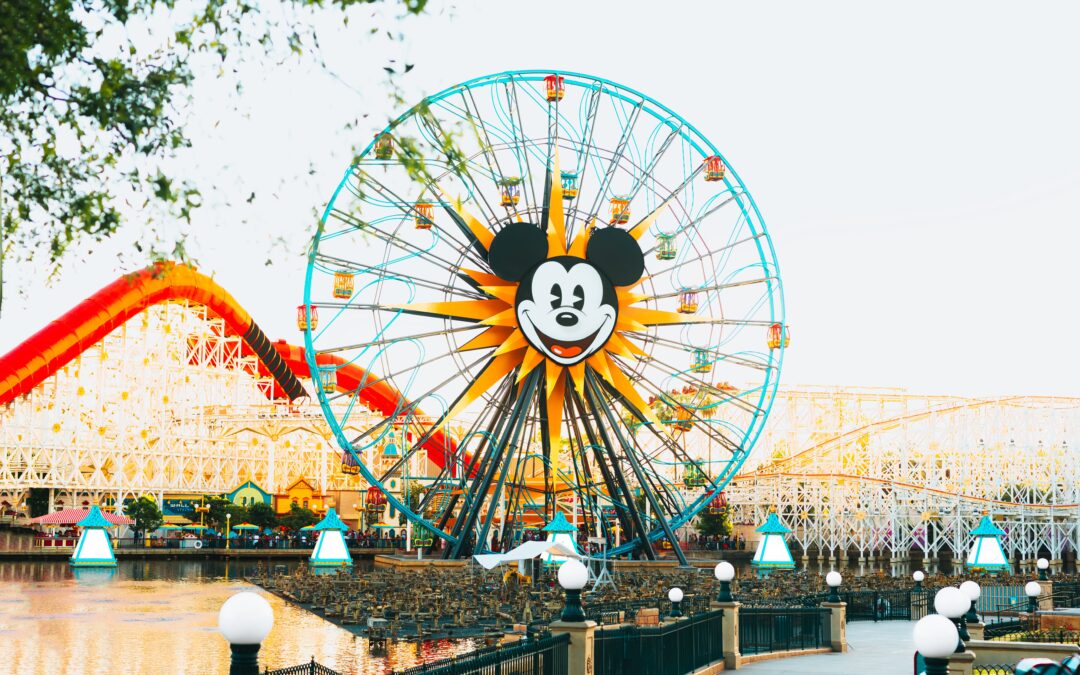
In recent years, Disney has been making efforts to promote diversity and inclusivity in their entertainment. This includes a growing focus on representing the LGBTQ+ community in their films, television shows, and theme parks. However, some people have criticized Disney’s approach as being too cautious and not doing enough to fully embrace LGBTQ+ representation. In this blog post, we will take a closer look at how Disney is approaching LGBTQ+ representation in their entertainment.
One of Disney’s most significant moves towards LGBTQ+ representation was the introduction of a gay character in the live-action version of “Beauty and the Beast” in 2017. LeFou, Gaston’s sidekick, was portrayed as being gay and having romantic feelings towards Gaston. While this was seen as a step in the right direction, some people felt that Disney was still playing it safe by not making LeFou a more prominent character.
Disney has also introduced LGBTQ+ characters in their television shows, such as “The Owl House” and “High School Musical: The Musical: The Series.” These shows have included LGBTQ+ characters in supporting roles and have been well-received by audiences. Additionally, Disney has featured LGBTQ+ storylines in their streaming series, such as “Love, Victor” and “Andi Mack.”
However, Disney’s approach to LGBTQ+ representation has also faced criticism. For example, in the film “Jungle Cruise,” Disney featured a scene in which Jack Whitehall’s character, a gay man, is portrayed as being overly flamboyant and stereotypical. Many people felt that this was an outdated portrayal of LGBTQ+ people and not a step forward for representation.
Overall, Disney’s approach to LGBTQ+ representation in their entertainment has been a mixed bag. While they have made some strides in introducing LGBTQ+ characters and storylines, some of their portrayals have been criticized as being too cautious or outdated. Moving forward, it is essential for Disney to continue to listen to feedback from the LGBTQ+ community and strive to represent them more authentically and inclusively in their entertainment.
In conclusion, Disney’s approach to LGBTQ+ representation in their entertainment has been an ongoing effort, with some successes and some missteps. While they have made progress in introducing LGBTQ+ characters and storylines, there is still more work to be done to ensure that LGBTQ+ people are represented authentically and inclusively in Disney’s entertainment. By continuing to listen to feedback and taking steps towards more authentic representation, Disney can continue to be a positive force for diversity and inclusivity in entertainment.

