
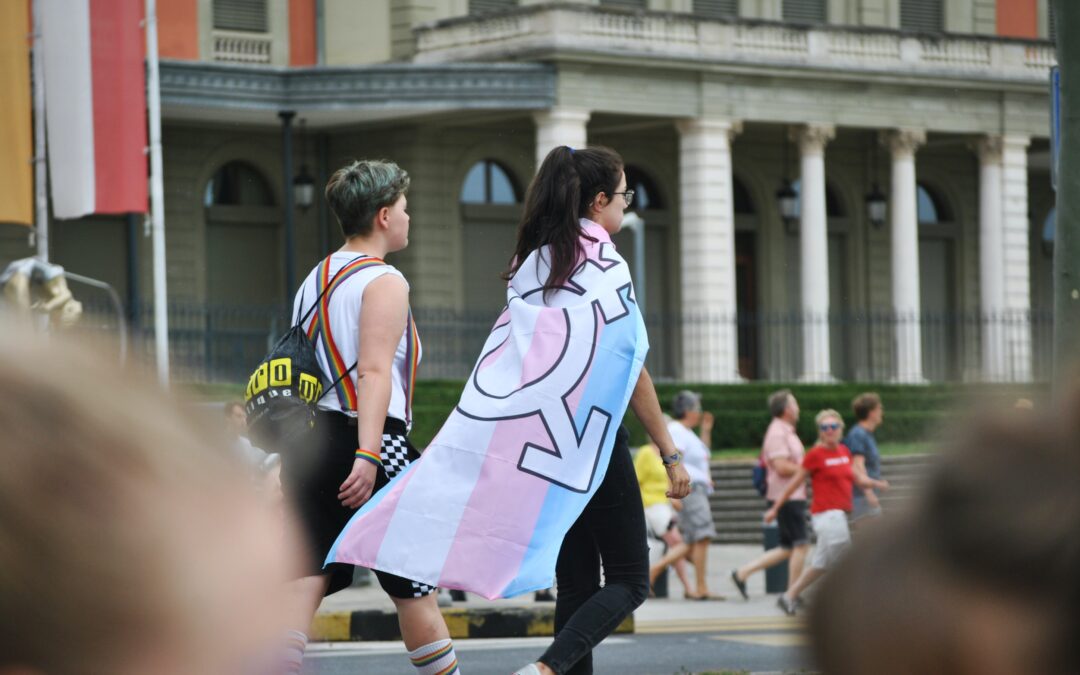
The question “What are the 72 genders?” is asked more often than ever. As conversations about gender diversity become more visible, many people are searching for clear, respectful, and accurate information. This guide is designed to explain the concept of the 72 genders, place it in context, and help readers better understand gender identity beyond traditional definitions.
This article is written for anyone who is curious, questioning, learning, or seeking to support others. Whether you are new to the topic or already familiar with gender diversity, this guide offers clarity, nuance, and understanding.
Why Do People Talk About the 72 Genders?
The idea of 72 genders is often mentioned in discussions about gender diversity, especially online. While the number itself is not a scientific limit, it has become a commonly used reference point to illustrate that gender is not binary and not limited to only male and female.
The term “72 genders” helps communicate one important idea:
gender exists on a broad spectrum, and many people experience their gender in ways that do not fit neatly into traditional categories.
For some, the phrase raises genuine curiosity. For others, it may feel confusing or overwhelming. That is why clear explanation and respectful language matter.
Gender Is More Than Biological Sex
To understand the 72 genders, it is important to distinguish between biological sex and gender.
- Biological sex refers to physical traits such as reproductive organs, hormones, and chromosomes.
- Gender refers to social, cultural, and personal experiences of identity.
These two are not the same. A person’s gender identity does not depend on their anatomy or genetics. Some people are also born with variations in sex characteristics, often described as intersex, which further shows that biology itself is not strictly binary.
Gender Identity, Expression, and Attraction
Gender is often misunderstood because multiple concepts are mixed together. These three are distinct but related:
Gender Identity
Gender identity is a person’s internal sense of who they are. It is how someone understands and defines their own gender. This identity exists internally and may or may not be visible to others.
Gender Expression
Gender expression is how someone presents their gender to the outside world. This can include clothing, behavior, appearance, voice, or body language. Gender expression can change over time and does not have to match societal expectations.
Attraction
Attraction refers to romantic and/or sexual feelings toward others. This includes sexual orientation and romantic orientation. Attraction is independent of gender identity and gender expression.
Understanding these differences helps avoid confusion and creates space for more accurate and respectful conversations.
Is Gender Binary?
No. Gender is not binary.
Rather than being an either/or concept, gender is often experienced as and/and. Some people feel partially masculine and partially feminine. Others feel neither. Some experience their gender as fluid, changing over time or depending on context.
Binary thinking does not reflect the lived experiences of many people. The idea of the 72 genders exists to highlight this diversity.
Are There Really Only 72 Genders?
This is an important question.
The short answer is: no. Gender is not limited to a fixed number.
The phrase “72 genders” is not meant to suggest a final or complete list. Instead, it represents a framework used to describe a wide range of gender identities using language that people recognize and relate to.
Gender language evolves as people find better words to describe their experiences. New terms emerge, others change, and some fall out of use. This evolution is natural and reflects increased understanding.
The 72 Genders List Explained
The 72 genders list brings together a wide variety of gender identities, including but not limited to:
- Non-binary identities
- Genderfluid identities
- Agender identities
- Bigender and multigender identities
- Culturally specific gender identities
Each identity on the list exists because people use that language to describe themselves. These identities are not trends or labels for attention; they are tools for self-understanding and communication.
The purpose of the list is not categorization for its own sake, but recognition and visibility.
Why Language Matters
Language plays a powerful role in how people understand themselves and others.
When someone has words for their experience, they gain clarity and validation. When language is missing, people may feel invisible or misunderstood. Respecting someone’s self-identified gender is not about being “politically correct”; it is about acknowledging their reality.
Using inclusive language helps create safer spaces, reduces stigma, and encourages honest self-expression.
Common Questions About the 72 Genders
Is identifying with a gender outside the binary a trend?
No. Gender diversity has existed across cultures and throughout history. What has changed is visibility and language.
Can gender change over time?
For some people, yes. Gender can be fluid and evolve. For others, it remains stable throughout life.
Is gender the same as sexuality?
No. Gender identity and sexual orientation are separate aspects of a person’s identity.
Do I need a label to be valid?
No. Labels are optional. They exist to support understanding, not to limit it.
Exploring Your Own Gender
Questioning your gender does not mean something is wrong. Exploration is a healthy and meaningful process for many people. There is no deadline, no expectation, and no correct outcome.
Some people explore quietly. Others seek community, information, or conversation. All approaches are valid.
Final Thoughts
The concept of the 72 genders exists to remind us of one essential truth:
human identity is diverse, personal, and deeply individual.
Understanding gender beyond the binary helps create a more inclusive, respectful, and compassionate world. Whether you are learning for yourself or for others, curiosity and empathy are the most important tools.
At 72gender.com, we believe that everyone deserves language, recognition, and understanding for who they are.

